
Caffeine
The one ingredient with a clear, quick effect
Look for a milligram figure on the label. Without it you cannot compare one product to another, and you cannot plan around sleep.
 LelakiOptimal
Energy and endurance support
Feeling tired is not the same as lacking fuel. This page looks at how daily nutrition and habits relate to energy and endurance, and where supplement formats may reasonably fit for adult men. It stays away from performance promises and instead explains what each piece does.
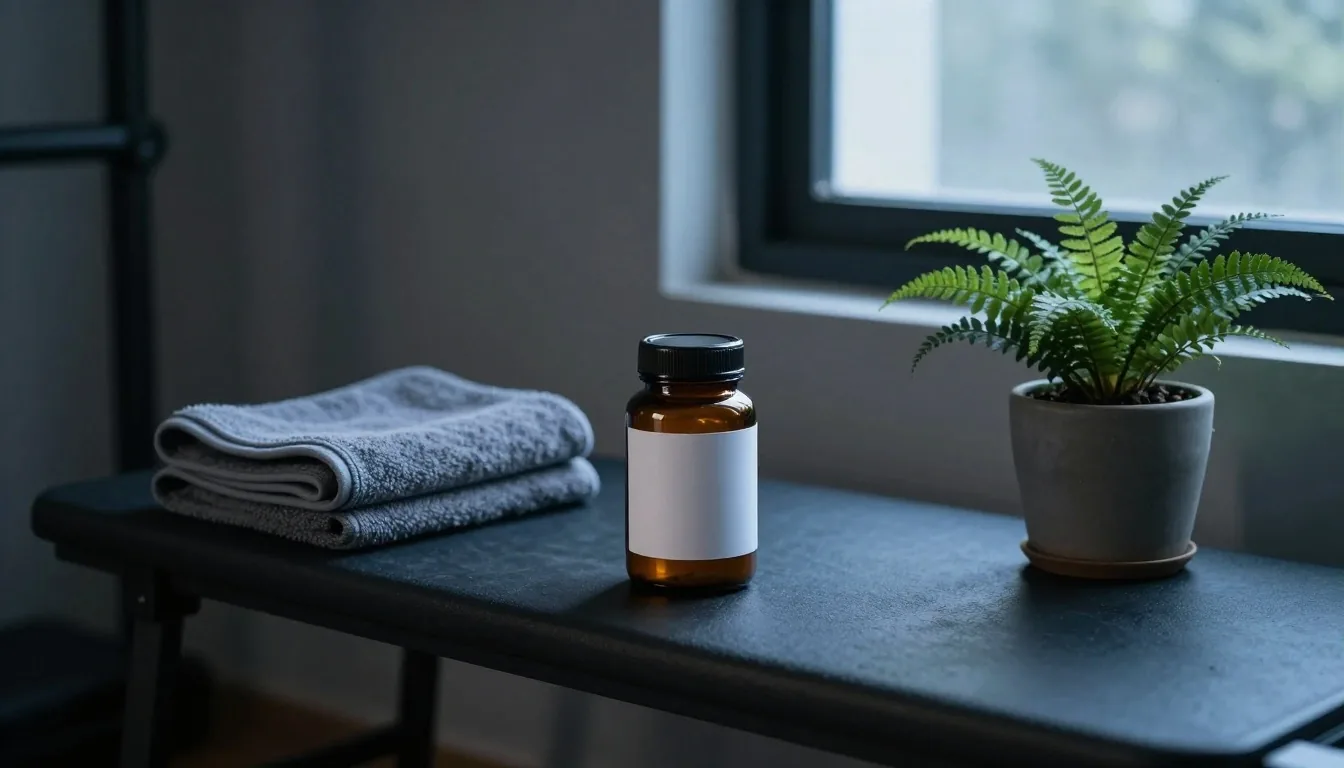
When someone says they are low on energy, they usually mean one of three things: they crash in the afternoon, they feel flat all week, or they run out during exercise. Each has a different cause, and each responds to a different fix. Naming the pattern is the first step before any bottle or capsule enters the conversation.
Afternoon crash
Often tracks back to a heavy lunch or a short night. A dense midday meal pulls blood sugar through a spike and a drop; a six-hour night leaves a debt that shows up around three in the afternoon.
Flat all week
Usually points to sleep debt on top of inactivity. Days that run desk, commute, couch give the body very little reason to build capacity, so even small efforts feel heavier than they should.
Running out in training
This is about fueling and conditioning — how much you ate beforehand, how hydrated you are, and how gradually you built the base. It is the most trainable of the three.
When you eat can matter as much as what you eat. A breakfast with protein and fa holds steadier than white rice and sweet tea, which spike and then drop. Spacing meals rather than skipping and overeating at night keeps blood sugar calmer through the day.
If you train, eating something in the hour before helps more than any energy supplement taken on an empty stomach. Start with the meal, then decide whether a capsule adds anything at all.
Caffeine is the most effective everyday stimulant, and it works within about half an hour. B vitamins support metabolism but do not act as a stimulant. Some products add taurine, ginseng, or guarana, and the label often hides how much of each. Check whether the caffeine in a product is stated in milligrams — if it is not, you cannot judge the dose, and you cannot avoid taking it late in the day.
The one ingredient with a clear, quick effect
Look for a milligram figure on the label. Without it you cannot compare one product to another, and you cannot plan around sleep.

Metabolism support, not a stimulant
They help the body use the food you eat. They do not produce a lift you can feel within the hour, so treat a promise of instant drive with suspicion.

Often present, rarely quantified
These appear in many energy and endurance supplements without a stated amount. If the blend is hidden behind a proprietary formula, you cannot weigh it against anything.
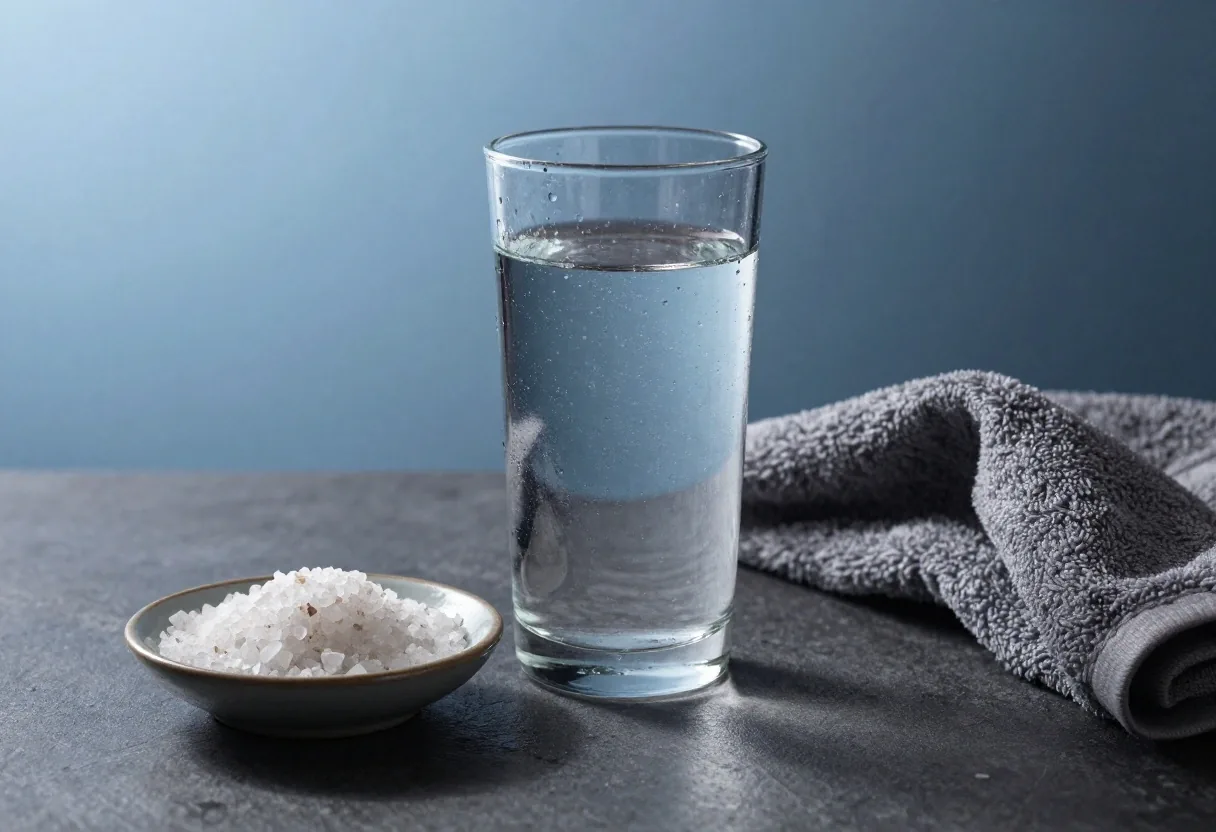
Mild dehydration is a common and easily missed cause of fatigue, especially in a hot, humid climate. If you sweat through a commute or a workout, replacing water and a little sodium does more for endurance than most supplements.
Plain water covers short sessions. Longer or sweatier ones may call for an electrolyte source with sodium and potassium. Sugary sports drinks are one option, but not the only one — a pinch of salt in a bottle and a banana after training covers the same ground for far less.
Nothing on a supplement shelf outweighs a consistent sleep schedule. Adults generally do best with seven to nine hours, and a fixed wake time anchors the whole system. Late screens and caffeine after early afternoon both push sleep later. If you sleep six hours and expect a capsule to close the gap, you will be disappointed. Fix the schedule first and the rest gets easier to judge.
Sleep 7–9 hours
The range most adults do best with. Short nights stack into a debt that shows up as flat afternoons and slow recovery.
Fix the wake time
A steady morning alarm anchors the rhythm. Bedtime drifts less when the wake time does not move on weekends.
Cut late caffeine
Caffeine after early afternoon stays in the system for hours. Moving it earlier is the single easiest change on this page.
Endurance improves through repeated, gradual effort, not through any pill. Walking more during the week, taking stairs, and adding two or three sessions of moderate cardio builds a base. Strength work twice a week supports both energy and muscle.
Start smaller than you think you should, then add slowly over weeks rather than days. The supplement question comes after the habit exists, not before it — a bottle supports a routine far better than it replaces one.

Some ingredients have a reasonable role alongside a solid routine. In each case the product fills a specific gap rather than supplying energy on its own — and the gap is worth naming before you buy.
Natural capsules for strength and vitality sit in this category: useful in the right context, oversold everywhere else.
Short bursts of power
The most studied option in this space for repeated short efforts. Usually taken as a powder, mixed with water, at a steady daily dose rather than before a single session.
Only if tested low
Matters when a blood test shows you are low. Adding iron without that result is guesswork, and it should be discussed with a qualified professional before you start.
Diet-limited intake
A top-up can help if your diet limits animal foods. It is a small, targeted correction rather than something that adds drive on its own.
Ongoing fatigue that lasts more than a few weeks, shortness of breath, unexplained weight change, or low mood are reasons to see a doctor. So is fatigue that appears suddenly alongside other symptoms. A supplement cannot answer those questions, and guessing wastes both time and money.
A basic check-up is a faster route to an explanation than another bottle. Men's health support at this level means knowing when a conversation with a clinician is the right next step, and taking it without delay.

Short answers to the things people ask before they add anything to a shelf.
No single capsule replaces food, sleep, and movement. Caffeine works quickly and reliably for alertness, but it does not build capacity. Everything else on a supplement label plays a supporting role beside a routine that already works.
They cover the gaps a diet leaves behind, not the ones a schedule creates. If your meals are varied and your sleep is steady, a broad multivitamin adds very little. If a specific intake is limited — no animal foods, for instance — a targeted mineral or vitamin is the more sensible purchase.
It depends entirely on what the ingredient does. Caffeine is measurable within about half an hour. Correcting a genuine deficiency takes weeks and only shows up if the deficiency was real. For most other ingredients, honest expectations sit closer to "nothing noticeable" than to a transformation.
That is a question for a doctor or pharmacist, not for a product page. Bring the label and ask before you start, especially if you already take prescription medicine or manage a long-term condition.
Often not, and that is a fine answer. These are dietary supplements, not medicines — they are not intended to diagnose, treat, cure, or prevent any disease. If food, sleep, hydration, and movement are already in order, the honest advice is to keep what you have and spend the money elsewhere.
Doses, formats, and what each jar is meant to do — the comparison page lays the popular products for men side by side, and the vitamin guide explains what each nutrient is for. Both are a faster route than guessing on a shop shelf.
Where we are
Jl. Braga No. 15, Sumur Bandung, Kota Bandung, Jawa Barat 40111
Talk to us
+62 22 421 1680
[email protected]
Hours
Monday to Friday, 09:00–18:00. Questions about men's vitamin supplements, formats, or where a product fits in your week are welcome — send us a message.